


Dear Parishioners of St. Elizabeth Seton,
The 400 parishioners who participated in our pre-renovation survey provided us with a long “to-do” list. We continue to check things off the list, one item at a time. This week, I would like to address a common theme that was noted by many of you. It was the ability to participate in the Sacrament of Reconciliation, specifically in a confidential and quiet space. Your feedback noted that too often voices traveled between the two confessionals, and to those waiting just outside the doors.
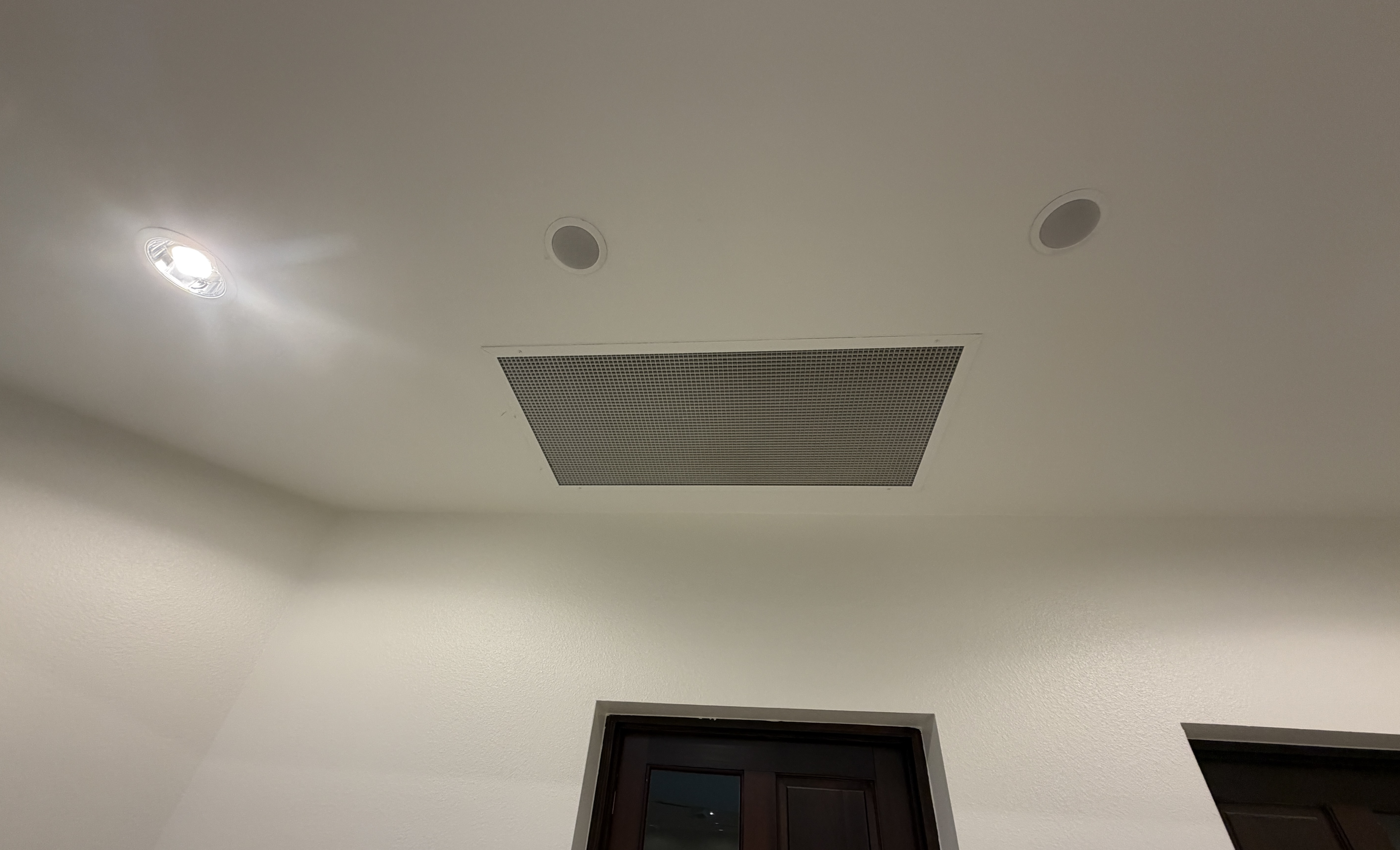
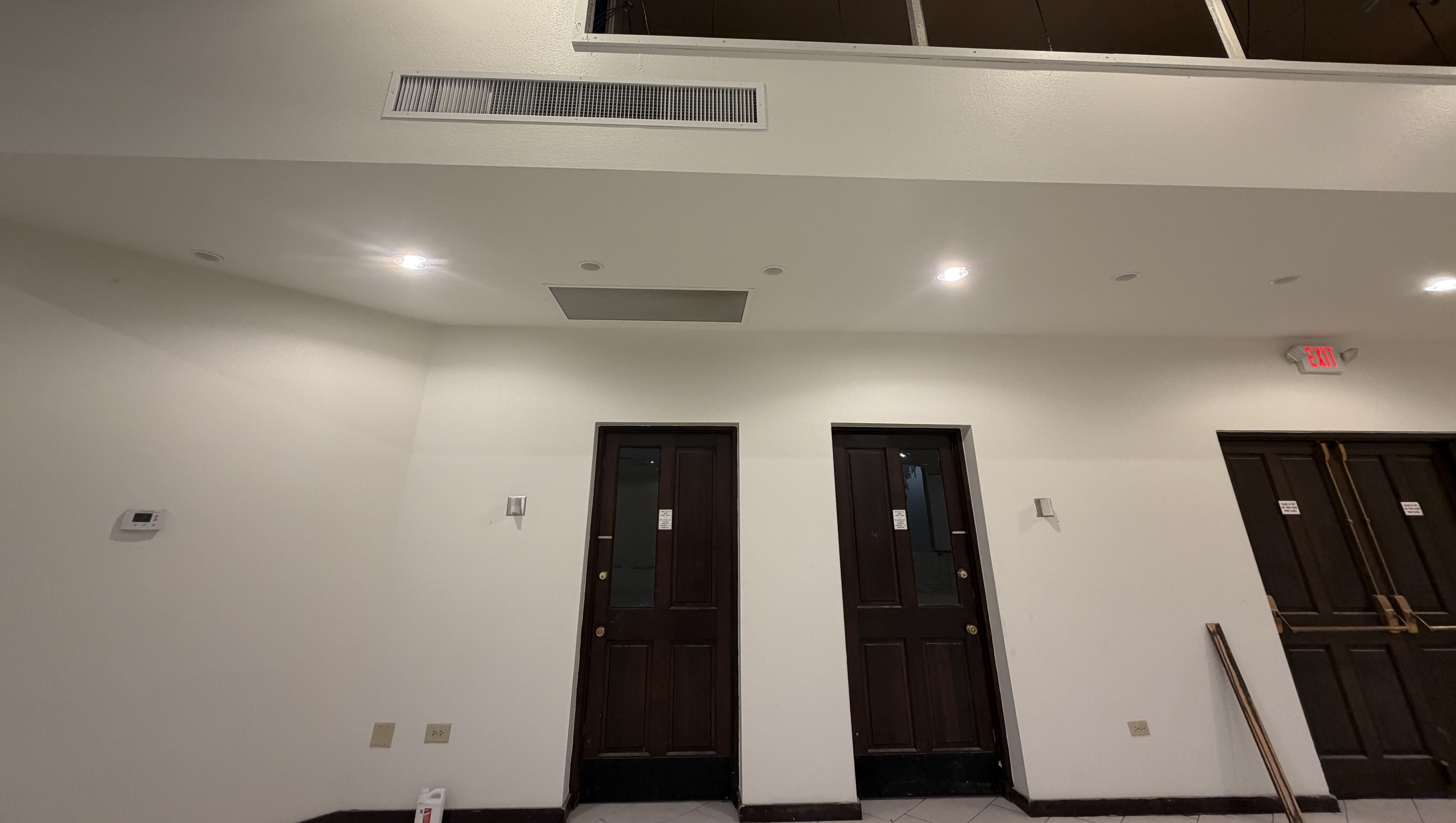 This past week, this has been addressed. We have installed “White Noise Machines” just outside the Confessionals. If you look closely, you will find six round disks in the soffit ceiling. During Confessions, the Priest hearing confession just turns on the white noise machine and the space becomes very quiet and confidential.
The purpose of a white noise machine is to lower the acoustic contrast between absolute silence and sudden noises or loud voices. They produce a steady hum that blocks audible distractions. Often used in doctors’ offices and large open spaces, they enhance the ambient setting by creating a sound barrier and allow for more individual reflection. “You can actually hear yourself think” is one of the sales points!
 The first White Noise Machine was invented in 1962 by a traveling salesman, James Buckwalter. He was trying to help his wife as she had trouble sleeping when they were not on the road…she missed the ambient hum of a motel air conditioner. So, in 1963, Jim Buckwalter filed a patent for the electromechanical sound conditioner that created natural rushing sounds. It appeared to work well for his wife Trudy as they celebrated 64 years of marriage and she lived to be 105 years old, maybe attributing it to good night’s sleep?
The White Noise Machine is not the only sound mitigation we are implementing. The walls and ceiling in each of the Confessionals will be covered with acoustical tile that is designed to reduce unwanted reverberations and act as a sound dampening product. These tiles are made of Polyethylene Terephthalate (PET) felt that looks and feels like wool but is made from recycled water bottles. These are pre-cut squares that are permanently affixed to the walls. These are easily cleaned as you lightly brush the felt walls and then vacuum dust and dirt from the walls. The same acoustic tiles will be used along the soffit to help absorb unwanted noise from the tile floor.
I wish to thank those of you who have been on this journey with me, reading my weekly Jubilee Updates and sharing your ideas and comments along the way. We have reached the halfway mark of our renovations with more projects and stories to come. Your insight has been invaluable and I feel truly blessed to worship and pray with such a loving and generous community.
In Christ and with Gratitude,
Dr. Kathleen H. Goeppinger
Jubilee Chair
